Do you remember a time, or have you heard the stories of the “appointment television” era? There was a certain magic in it. You waited all week for that one show at 7:00 PM. Once the credits rolled, the screen went dark, and the socializing began. Teenagers flocked to malls, parks, and each other’s porches.
Entertainment was a scheduled treat, not a constant companion. This “golden age” provided natural boundaries; it forced us to find joy in the physical world, to read body language, and to read body language through face-to-face interaction. There was a clear beginning and end to the digital world, leaving vast, exciting spaces for teenagers to simply be together without the tether of a notification.
Today, however, the landscape has shifted, and parents are growing increasingly alarmed. We are watching a “live experiment” unfold during the most vulnerable years of brain development. Adolescence is a period defined by a need for social approval and a developing prefrontal cortex. The part of the brain responsible for impulse control.
With the lightning-fast growth of social media, teens are now exposed to a 24/7 stream of curated perfection and social comparison. Parents are right to worry: when the digital world never sleeps, the pressure to perform, fit in, and stay “connected” becomes an exhausting, full-time job for a brain that isn’t yet fully equipped to handle it.
So, how exactly is social media taking this toll? Here are five ways it directly impacts teenage mental health:
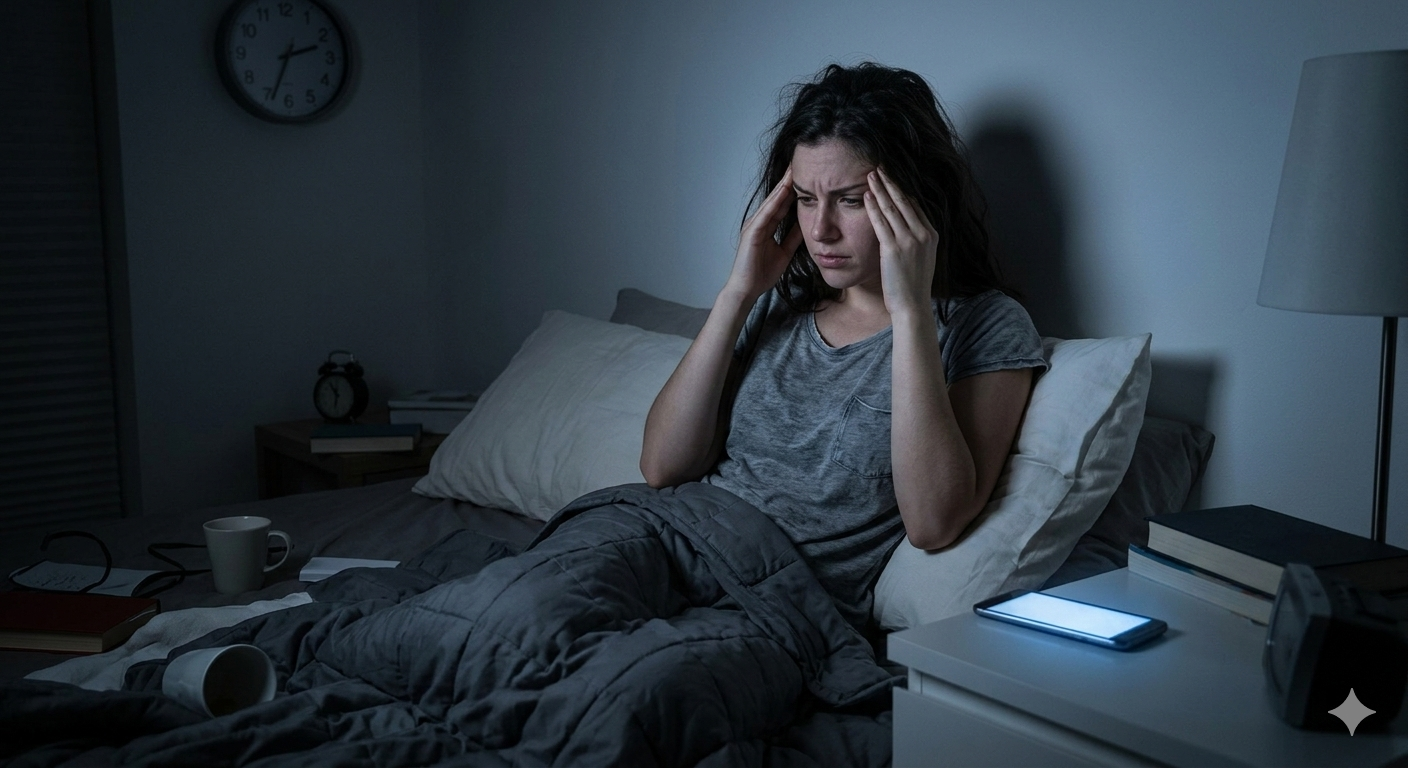
- Disrupted Sleep Patterns: Blue light emitted by screens suppresses melatonin while FOMO (fear of missing out) keeps teens scrolling long into the night, leading to chronic exhaustion.
- The Comparison Trap: Constant exposure to filtered lives and “perfect” bodies leads to devastatingly low self-esteem and body dysmorphia.
- Heightened Anxiety: The pressure to respond instantly to messages and the public nature of “likes” create a state of permanent digital stress. More on anxiety, click here.
- Cyberbullying: The anonymity of the internet can turn social media into a source of relentless harassment that follows a teenager into their personal safe space.
- Reduced attention span: The rapid-fire nature of short-form video content makes it harder for teens to focus on deep learning or long-form hobbies.

To avoid the exacerbation of these issues, we must implement intentional solutions:
- Digital Sunset: Establish a “no-phone” rule at least one hour before bed to protect sleep quality.
- Curated Feeds: Encourage teens to unfollow accounts that make them feel “less than” and follow those that inspire or educate.
- Phone-Free Zones: Designate the dinner table or car rides as sacred spaces for face-to-face conversation with families/friends around.
- Device-Free Hobbies: Reintroduce “analog” fun, sports, music, or art, where the goal isn’t to post a photo, but to enjoy the moment.
- Open Dialogue: Create a safe space where teenagers can discuss the “digital heaviness” they feel without fear of their devices being confiscated.
The reality of this scene is best seen in the case of “Emma Claire Gill,” who was a wonderful child who suffered a horrific fate due to her addiction to social media. Her story started out as a young girl who received her first mobile phone at the age of 10 and has been crucially restricted from using the device to access social media.
In April 2021, one of Emma’s classmates had committed suicide, because of its devastating effect on everyone in class, including Emma, she was allowed to make use of the internet to contact all her mates. Shortly after her freedom despite having social media a while back, Emma had misconduct, which got her mobile phone seized and spiralled to her parents finding inappropriate images of herself, which was made fun of by a couple of mates that might have had the same image as well.
After a mother-daughter talk, done to find out what was going on in Emma’s life, she eventually committed suicide on a Sunday, which her parents, working alongside the Social Media Victim Law Center (SMVLC), attributed the suicide to her addiction to social media. Emma’s story is a vital lesson: the digital world is a tool, but when it becomes your entire world, it can break you.
Reclaiming our time is not just a lifestyle choice; it is an act of self-preservation. Your ability to laugh with a friend, breathe in the fresh air, and exist without an audience is where your true power lies. Life is happening right now, in the space between our phone and our face. Don’t let a tiny glass screen steal the most vibrant years of your life. Take back your time, take back your joy, and remember that You Are Far More Than A Profile.
See more on The Daily Recovery