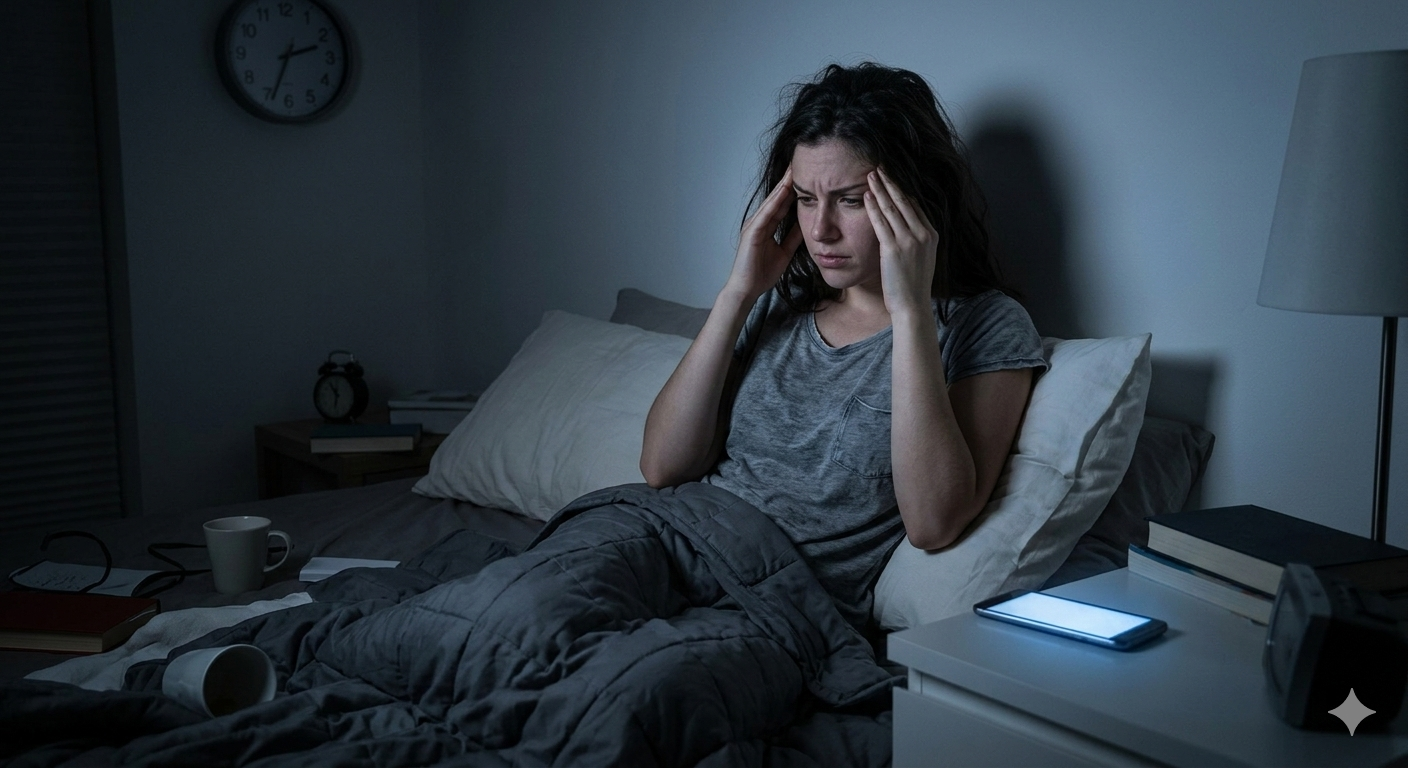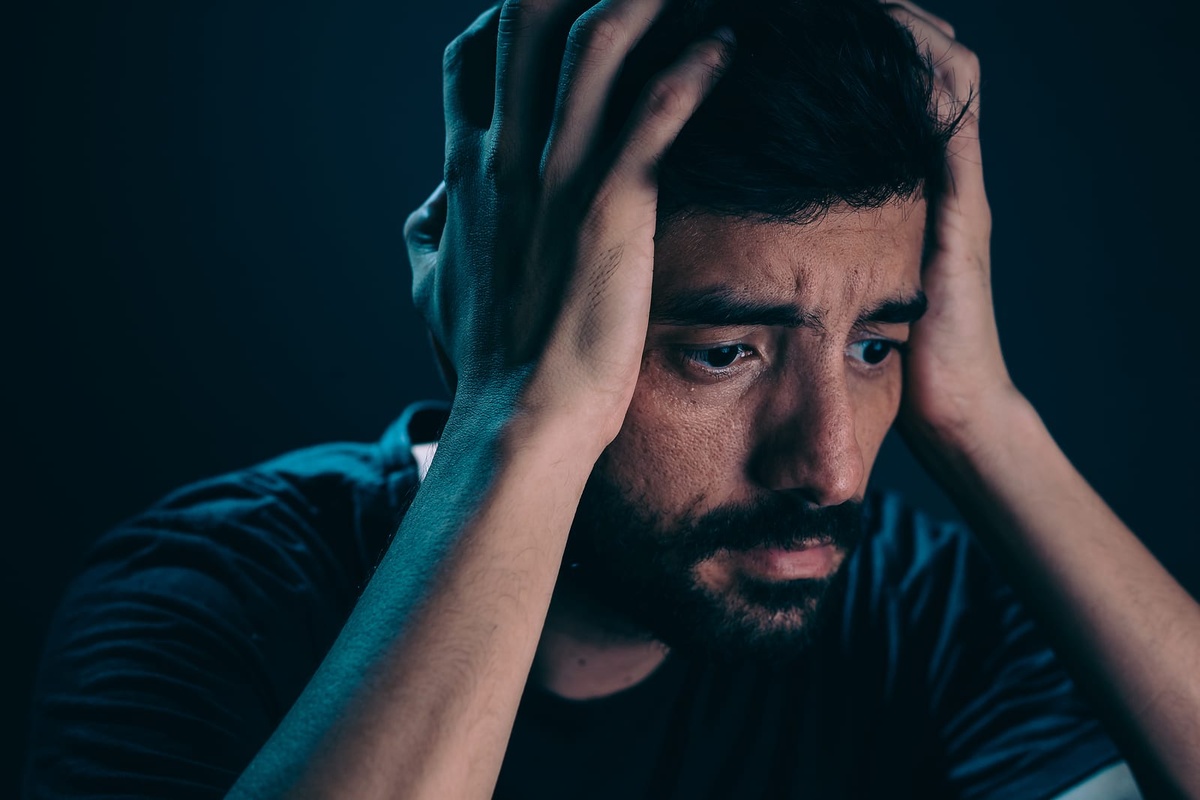
We have all felt anxiety, that cold spike of adrenaline before a big presentation or a difficult conversation. But for millions, that spike doesn’t fade when the event ends. Instead, it becomes a background hum—a constant, vibrating frequency that colors every thought and action. To live with anxiety is to live in a body that is perpetually preparing for a threat that hasn’t arrived. In our modern, high-pressure society, this “silent alarm” has become a leading cause of biological and mental fatigue.
The Biology of the “Wired” Brain
At its core, anxiety is a survival mechanism gone rogue. Your brain’s command center, the amygdala, is designed to keep you alive by scanning for danger. When it perceives a threat—whether it’s a predatory animal or an unread email—it triggers the sympathetic nervous system. This floods your body with cortisol and norepinephrine. In a healthy system, the parasympathetic nervous system (the “rest and digest” mode) kicks in once the threat is gone. However, with chronic anxiety, the switch gets stuck in the “on” position, leaving you physically exhausted but mentally racing.

How to Spot the Signal: Common Symptoms
Because anxiety is a whole-body experience, it often shows up in ways we don’t immediately recognize as “mental.” If you or someone you love is struggling, look for these markers:
Physical Symptoms:
- Chest Tightness: A feeling like you can’t quite take a deep enough breath (air hunger).
- Digestive Distress: “Butterflies,” nausea, chronic gut issues, as the brain pulls blood away from the digestive system.
- Muscle Tension: Chronic pain in the jaw, neck, or shoulders from constant bracing.
- Sleep Fragmentation: Difficulty falling asleep or waking up at 3:00 AM with a racing heart.
Cognitive & Emotional Symptoms:
- Catastrophizing: Automatically jumping to the worst-case scenario for every situation.
- Brain Fog: Difficulty focusing because the brain is too busy “scanning” for threats.
- Irritability: A “short fuse” caused by a nervous system that is already at its limit.
The Roadmap to Recovery: Evidence-Based Treatments
The good news is that the brain is neuroplastic—it can be retrained to feel safe again. Treating anxiety effectively usually requires a multi-pronged approach that addresses both the mind and the body.
- Cognitive Behavioral Therapy (CBT): This is the gold standard for anxiety treatment. It helps you identify “thought distortions” and manually override the stories your brain tells you when it’s afraid.
- Pharmacology: For many, medication (like SSRIs) acts as a “floor,” preventing the nervous system from dropping into a total panic state so that therapy and lifestyle changes can actually take root.
- Vagus Nerve Stimulation: Simple physical acts like cold water immersion, deep diaphragmatic breathing, or even humming can manually signal to the brain that the body is safe.

The “Daily Recovery” Anxiety Toolkit
For immediate relief, I advise my readers to keep a “Quick-Access Menu” of grounding techniques. When the alarm starts ringing, don’t try to “think” your way out of it—use your body to signal safety.
- The 5-4-3-2-1 Technique: Name 5 things you see, 4 things you can touch, 3 things you hear, 2 things you can smell, and 1 thing you can taste. This pulls the brain out of the “future” and into the “present.”
- Box Breathing: Inhale for 4 seconds, hold for 4, exhale for 4, and hold for 4. This is a direct hack for the autonomic nervous system.
- Magnesium Supplementation: Often called “nature’s relaxant,” magnesium can help soothe muscle tension and support a calmer nervous system.
Beyond the Alarm
Living with anxiety is not a sign of weakness; it is a sign of an overprotective brain. By understanding the symptoms and aggressively pursuing treatment, you can begin to turn down the volume of that silent alarm. You aren’t “broken”—you are simply in a state of high alert that is no longer serving you. As you move through your week, remember that recovery isn’t the absence of fear; it’s the gradual rebuilding of the trust you have in your own body’s ability to handle the world.
For more on The Daily Recovery, click The Daily Recovery.